


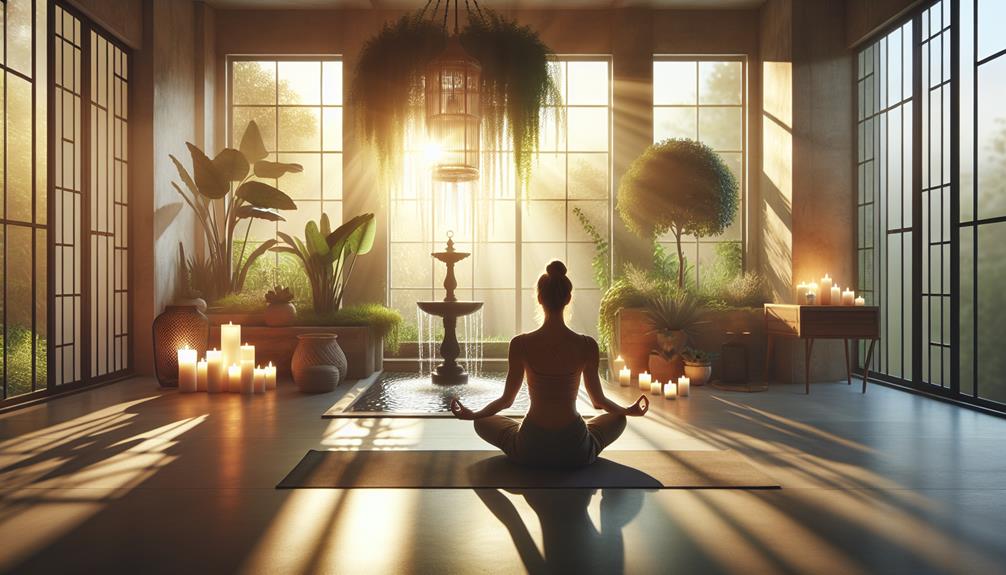
You might be curious about how mind-body methods can aid in alcohol addiction recovery. These techniques, including meditation, yoga, and mindfulness, offer a holistic approach that addresses both physical cravings and emotional stress. By engaging in practices like breathwork and guided imagery, you can develop greater self-awareness and emotional resilience, which are essential for long-term sobriety. What's intriguing is how these practices not only reduce the risk of relapse but also empower you to confront the underlying causes of addiction. So, how exactly do these methods foster such transformative change?
Meditation Practices
Meditation practices have been shown to greatly reduce cravings and stress, essential components in the journey of alcohol addiction recovery. When you engage in meditation, your brain undergoes significant changes. Studies indicate that regular meditation can decrease the activity in the brain's default mode network, which is often pivotal in those struggling with addiction. This reduction helps minimize intrusive thoughts and urges related to alcohol.
You might find mindfulness meditation particularly effective. It encourages you to focus on the present moment without judgment. By doing so, you become more aware of your cravings and stress triggers. This awareness allows you to address them more effectively, rather than succumbing to them. Research has demonstrated that mindfulness meditation can lead to lower levels of cortisol, a stress hormone, which in turn helps you manage stress better.
Another beneficial technique is loving-kindness meditation. This practice involves directing positive thoughts and compassion towards yourself and others. It can foster a sense of inner peace and emotional resilience, both vital for long-term recovery.
Adopting these meditation practices can provide you with the mental tools needed to navigate the challenges of alcohol addiction recovery more successfully.
Yoga for Recovery
Incorporating yoga into your recovery routine can greatly enhance your physical and emotional well-being, providing a holistic approach to overcoming alcohol addiction. Yoga offers several benefits, including stress reduction, improved physical health, and emotional balance, which are essential during recovery.
Scientific studies support that yoga helps lower cortisol levels, reducing stress and anxiety, which are common triggers for relapse.
Practicing yoga can also improve your physical health by increasing flexibility, strength, and cardiovascular function. These physical improvements can boost your overall energy levels and make you feel more capable of handling daily challenges without resorting to alcohol.
Additionally, yoga fosters a mind-body connection that helps you become more aware of your physical sensations and emotions, enhancing your ability to manage cravings and negative thoughts effectively.
Moreover, yoga encourages mindfulness and presence, allowing you to cultivate a deeper sense of inner peace and self-acceptance. This practice can help you develop healthier coping mechanisms and strengthen your resolve to stay sober.
Mindfulness Techniques
Building on the holistic benefits of yoga, mindfulness techniques offer another powerful tool to enhance your recovery journey by fostering a deep sense of awareness and emotional regulation.
Mindfulness involves paying attention to the present moment without judgment, helping you recognize and manage triggers for alcohol use. Research shows that practicing mindfulness can reduce cravings and improve emotional well-being.
To start, consider incorporating short, daily mindfulness sessions into your routine. You might begin with a simple body scan exercise, where you focus on different parts of your body, noting sensations without trying to change them. This practice can help you become more attuned to your physical state and any stress or discomfort you might be experiencing.
Mindfulness meditation is another effective technique. By sitting quietly and focusing on your breath or a specific mantra, you can calm your mind and reduce anxiety. Evidence suggests that regular mindfulness meditation can lead to long-term changes in brain function, promoting greater emotional stability.
Breathwork Exercises
Breathwork exercises can serve as a vital tool in alcohol addiction recovery by helping you manage stress and enhance emotional resilience. When you feel overwhelmed or anxious, controlled breathing techniques can activate your parasympathetic nervous system, promoting a state of calm. Research supports that practices like diaphragmatic breathing can greatly reduce cortisol levels, the hormone associated with stress.
To begin, try the simple 4-7-8 technique. Inhale quietly through your nose for a count of four, hold your breath for seven, and exhale completely through your mouth for eight. Doing this a few times daily can help regulate your nervous system and reduce cravings.
Another effective method is box breathing, which Navy SEALs use to stay focused under pressure. Inhale for four seconds, hold for four, exhale for four, and hold again for four. This rhythm balances oxygen and carbon dioxide levels in your body, helping you stay centered.
Breathwork isn't just about reducing stress; it also deepens your connection with your body, fostering a greater sense of self-awareness. This mindfulness can be essential in recognizing and managing triggers that lead to relapse.
Give these techniques a try and notice how they can transform your recovery journey.
Guided Imagery
Guided imagery can be a powerful tool in your recovery journey. It helps you visualize sobriety success and reduce cravings. By mentally picturing a healthier, alcohol-free life, you create a blueprint for emotional and physical healing.
This practice not only fosters resilience but also enhances your overall sense of well-being.
Visualizing Sobriety Success
Visualizing your success in sobriety through guided imagery can greatly enhance your recovery journey by harnessing the power of your mind to create positive outcomes. Guided imagery involves picturing yourself achieving and maintaining sobriety, which can help rewire your brain's pathways. Studies show that mental imagery activates similar brain regions as real-life experiences, making this technique a powerful tool in addiction recovery.
Start by finding a quiet space where you can relax. Close your eyes and imagine a detailed, vivid picture of yourself living a sober life. See yourself waking up refreshed, enjoying activities without the influence of alcohol, and interacting positively with loved ones. This process can build a mental blueprint of what you want to achieve, reinforcing your commitment to sobriety.
Moreover, regularly practicing guided imagery reduces stress and enhances emotional resilience, both critical for maintaining sobriety. By consistently visualizing these positive scenarios, you train your brain to expect and aim for these outcomes. Compassionately acknowledge any setbacks, and refocus on your visualized goals.
Reducing Cravings Mentally
As you harness the power of guided imagery to visualize your sober success, you can also use this technique to mentally reduce cravings. By picturing yourself in a calm, serene environment, you create a mental space where cravings have less significance.
Imagine a place where you feel safe and relaxed—perhaps a beach, a forest, or a cozy room. Focus on the sensory details: the sound of waves, the smell of pine, or the warmth of a fire. This mental escape can diminish the intensity of your cravings.
Research supports guided imagery as an effective tool for managing addiction. Studies show that it can reduce stress and anxiety, key triggers for alcohol cravings. When you practice regularly, your brain begins to associate these peaceful images with relaxation and control, helping you navigate moments of temptation with greater ease.
Don't be discouraged if it takes time to see results. Consistency is important. Set aside a few minutes each day to practice, and soon you'll notice a decrease in the frequency and intensity of your cravings.
Emotional Healing Imagery
Harness the transformative power of emotional healing imagery to mend the deep-seated emotional wounds that often accompany addiction. Guided imagery is more than just daydreaming; it's a therapeutic technique that involves envisioning calming and positive scenarios. This practice can help you process unresolved emotions and foster a sense of inner peace.
Research shows that guided imagery can reduce stress, anxiety, and depression, all of which are common in recovery. Here's how you can integrate it into your healing journey:
- Find a Quiet Space: Choose a peaceful environment where you won't be disturbed. This guarantees you can focus entirely on the imagery.
- Use a Script or Recording: Guided imagery scripts or audio recordings can provide structure and help you stay focused. Look for ones specifically designed for emotional healing.
- Visualize Healing Scenes: Imagine serene landscapes, such as a tranquil beach or a lush forest. Envision yourself releasing pain and embracing calmness.
- Practice Regularly: Consistency is key. Make guided imagery a part of your daily routine to maximize its benefits.
Tai Chi Benefits
Incorporating Tai Chi into your recovery routine can greatly enhance both physical and mental well-being. This ancient practice combines slow, deliberate movements with deep breathing and meditation, fostering a state of calm and balance. Research shows that Tai Chi can reduce stress, anxiety, and depression—common challenges in alcohol addiction recovery.
By focusing on the flow of movement and breathing, you cultivate mindfulness, which helps manage cravings and emotional triggers.
Tai Chi also offers significant physical benefits. Regular practice improves balance, flexibility, and muscle strength, which can be particularly beneficial if your body is recovering from prolonged alcohol use. Enhanced physical health directly supports your mental and emotional recovery, creating a positive feedback loop that promotes overall well-being.
Moreover, the social aspect of Tai Chi shouldn't be overlooked. Participating in group classes can provide a sense of community and belonging, which is vital for overcoming feelings of isolation often associated with addiction. Engaging with others who share similar goals can offer mutual support and encouragement, making your recovery journey less intimidating.
Incorporating Tai Chi into your recovery plan isn't just about physical exercise; it's a holistic approach that nurtures both mind and body, paving the way for lasting sobriety.
Biofeedback Sessions
Another powerful tool in alcohol addiction recovery is biofeedback sessions, which help you gain control over physiological functions that are typically involuntary. By using sensors to monitor your body's responses—like heart rate, muscle tension, and skin temperature—you can learn to manage stress and cravings more effectively. This method offers a concrete way to track progress and make adjustments in real-time, empowering you in your recovery journey.
Researchers have found that biofeedback can greatly reduce symptoms of anxiety and depression, common triggers for relapse. The feedback you receive during these sessions helps you understand how your body reacts to stress and teaches you techniques to achieve a more relaxed state.
Here are some benefits of biofeedback sessions:
- Improved Stress Management: Learn to calm your mind and body, reducing the urge to drink as a coping mechanism.
- Enhanced Emotional Regulation: Gain better control over your emotions, which can be volatile during recovery.
- Better Sleep Quality: Address issues like insomnia that often accompany addiction recovery.
- Increased Awareness: Become more attuned to your body's signals, helping you recognize and manage cravings more effectively.
Biofeedback sessions offer a science-backed, compassionate approach to healing, making them an invaluable part of your recovery toolkit.
Hypnotherapy
Hypnotherapy offers a compelling approach to alcohol addiction recovery by accessing the subconscious mind to alter harmful behaviors and thought patterns. When you undergo hypnotherapy, a trained therapist guides you into a deeply relaxed state, often referred to as a trance.
In this state, your subconscious mind becomes more open to suggestions that can positively influence your behavior. Evidence suggests that hypnotherapy can help reduce cravings, manage withdrawal symptoms, and reinforce your commitment to sobriety.
For example, studies have shown that individuals who incorporate hypnotherapy into their treatment plans often experience fewer relapses compared to those relying solely on traditional methods. During a hypnotherapy session, you might explore underlying emotional triggers contributing to your alcohol use.
A compassionate therapist will help you reframe these triggers, making it easier to cope without turning to alcohol. This mind-body technique not only addresses the physical aspect of addiction but also the psychological roots, offering a holistic path to recovery.
It's important to find a certified hypnotherapist experienced in addiction treatment. Their expertise ensures that the suggestions made during your sessions align with your specific needs and recovery goals. With consistent practice, hypnotherapy can be a transformative component of your journey toward lasting sobriety.
Art Therapy
Art therapy can be a powerful tool in alcohol addiction recovery. It allows you to express emotions that might be difficult to put into words. By engaging in creative activities, you'll enhance self-awareness and gain insights into your inner world.
Research shows that this therapeutic approach fosters emotional healing and personal growth, making it an invaluable part of your recovery journey.
Expressing Emotions Through Art
Engaging in art therapy offers a powerful avenue for individuals to explore and express their emotions during alcohol addiction recovery. Through creative processes like painting, drawing, or sculpting, you can tap into feelings that might be challenging to articulate with words.
Art therapy provides a non-verbal outlet, allowing you to convey complex emotions and experiences more freely and authentically.
Research shows that art therapy can notably reduce stress and anxiety, which are common triggers for addiction relapse. When you engage in creative activities, your brain releases dopamine, a neurotransmitter associated with pleasure and reward. This can help replace the high you once sought from alcohol with a healthier alternative.
Here are some benefits of expressing emotions through art therapy:
- Emotional Release: Art allows you to release pent-up emotions in a safe and constructive manner.
- Self-Discovery: You might uncover underlying issues and feelings that contribute to your addiction.
- Enhanced Mood: Creative expression can boost your mood and overall sense of well-being.
- Sense of Accomplishment: Completing an art project provides a tangible sense of achievement, boosting your self-esteem.
Art therapy is a transformative tool that helps you navigate the emotional complexities of recovery.
Enhancing Self-Awareness Creatively
Through creative self-expression, you can deepen your understanding of your own thoughts, emotions, and triggers, fostering greater self-awareness in your journey to overcome alcohol addiction. Art therapy offers a unique and effective avenue for this kind of personal exploration. Research has shown that engaging in artistic activities like drawing, painting, or sculpting can activate different areas of the brain involved in emotional regulation and self-reflection.
By creating art, you allow yourself to confront and process complex feelings in a non-verbal manner, which can be less intimidating than traditional talk therapy. Various studies have demonstrated that art therapy can reduce stress and anxiety levels, which are often linked to substance abuse.
When you immerse yourself in the creative process, you give your mind the space to explore underlying issues that may have contributed to your addiction. Moreover, the artwork you produce serves as a tangible representation of your inner world, making it easier to identify patterns and triggers.
This heightened self-awareness can empower you to make more informed choices and develop healthier coping mechanisms, ultimately supporting your long-term recovery goals. Engaging in art therapy can be a powerful tool in your holistic recovery toolkit.
Progressive Muscle Relaxation
Progressive Muscle Relaxation (PMR) is a proven technique that helps individuals in alcohol addiction recovery reduce stress and anxiety by systematically tensing and relaxing different muscle groups. By focusing on the sensation of tension and the subsequent release, you can cultivate a deeper awareness of your body and its responses, which is important in managing cravings and emotional turmoil.
When you practice PMR, you're not just relaxing your muscles; you're training your mind to recognize and combat stress effectively. Research shows that PMR can lower cortisol levels, improve sleep quality, and stabilize mood, all of which are essential for a successful recovery journey.
Here's how you can incorporate PMR into your daily routine:
- Find a quiet space: Choose a comfortable, quiet environment where you won't be disturbed.
- Follow a guided script: Use a PMR audio guide to walk you through each muscle group, ensuring proper technique.
- Stay consistent: Aim to practice PMR daily to maximize its benefits.
- Combine with other therapies: Integrate PMR with other therapeutic approaches like cognitive-behavioral therapy (CBT) for a well-rounded recovery plan.
Conclusion
You've got the power to reclaim your life from alcohol addiction through mind-body methods. By embracing meditation, yoga, mindfulness, breathwork, guided imagery, and other therapeutic techniques, you're not just reducing cravings and stress but also enhancing your emotional resilience.
These evidence-based practices support your overall well-being and help you address the root causes of addiction. Remember, each mindful step you take brings you closer to lasting sobriety and a healthier, more fulfilling life.