

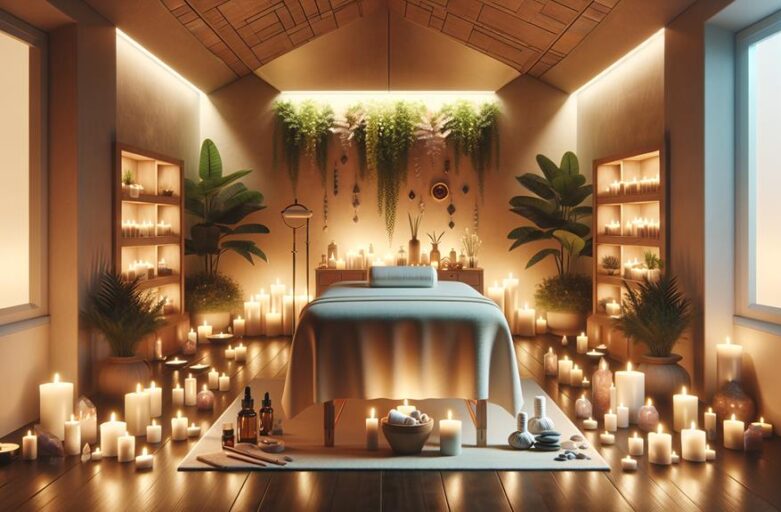

When facing alcohol addiction, it's essential to explore all avenues of recovery, and holistic massage therapy can be a powerful ally. By focusing on the mind, body, and spirit, you can use techniques like Swedish massage and aromatherapy to promote natural detoxification and relaxation. Managing stress through endorphin release and lowered cortisol levels becomes easier with the right approach. But how do you choose the best techniques and integrate them with other therapies like acupuncture and meditation? Understanding these holistic tips can make a significant difference in your journey to recovery.
Understanding Holistic Massage Therapy
Have you ever wondered how holistic massage therapy can support your journey to overcoming alcohol addiction?
Holistic massage therapy isn't just about physical relaxation; it's an integrative approach that addresses your mind, body, and spirit. By focusing on your overall well-being, this therapy can be a vital component in your recovery process.
When you engage in holistic massage therapy, you're effectively giving your body a chance to reset. Techniques like Swedish massage, deep tissue massage, and aromatherapy work together to alleviate stress, reduce anxiety, and improve circulation. These benefits create a nurturing environment where your body can naturally heal.
In addition, holistic massage therapy often uses essential oils and other natural remedies that promote detoxification. Oils like lavender and eucalyptus can cleanse your system while calming your mind. This dual action helps you manage withdrawal symptoms more effectively, making the recovery journey a little less challenging.
Benefits of Massage for Recovery
You'll find that massage therapy can greatly aid your recovery by reducing stress and improving sleep patterns.
These natural remedies foster a sense of peace, helping your body and mind heal.
Embrace this holistic approach to feel more balanced and refreshed on your journey to sobriety.
Stress Reduction Techniques
Incorporating regular massage therapy into your recovery regimen can greatly alleviate stress and enhance overall well-being. When you're battling alcohol addiction, stress can be a significant trigger. Massage therapy can soothe both your body and mind, providing a natural remedy to ease tension.
By focusing on techniques like Swedish massage or deep tissue massage, you can release built-up stress and promote relaxation.
During a massage session, your body releases endorphins, which are natural mood elevators. This helps reduce anxiety and depression, common companions on the road to recovery.
Additionally, massage therapy can lower cortisol levels, the hormone associated with stress. Lower cortisol means a calmer, more balanced state of mind, making it easier to resist cravings and stay focused on your recovery journey.
Incorporating holistic elements like essential oils can further enhance the stress-reducing benefits. Lavender, chamomile, and bergamot oils are known for their calming properties.
Improved Sleep Patterns
A good night's sleep is essential for recovery, and massage therapy can greatly improve your sleep patterns by promoting relaxation and reducing stress. When you're battling alcohol addiction, sleep disturbances are common, making it even more important to find natural ways to enhance your rest.
Massage therapy works wonders by stimulating the production of serotonin and melatonin, hormones that regulate your sleep-wake cycle.
Imagine the gentle kneading of muscles and soft pressure points not only easing physical tension but also calming your mind. This holistic approach helps in balancing your body's natural rhythms, allowing you to achieve deeper, more restorative sleep.
When stress and anxiety are reduced through massage, your mind becomes more peaceful, which facilitates easier falling asleep and staying asleep.
Furthermore, regular massage sessions can help you establish a bedtime routine that signals to your body it's time to wind down. As you continue with your recovery journey, you'll find that improved sleep patterns contribute significantly to your overall well-being.
Embracing massage therapy as part of your holistic recovery plan can make a world of difference in how well you rest, ultimately supporting your path to sobriety.
Choosing the Right Massage Technique
When choosing the right massage technique for addressing alcohol addiction, consider methods that promote relaxation and emotional release. Holistic massage therapy can be a powerful tool to support recovery by reducing stress, alleviating withdrawal symptoms, and fostering a sense of well-being.
Here are three techniques that can be particularly beneficial:
- Swedish Massage: This technique uses long, flowing strokes to improve circulation and relieve muscle tension. It's excellent for promoting overall relaxation and can help reduce anxiety and stress, which are often heightened during the recovery process.
- Deep Tissue Massage: Focusing on deeper layers of muscle and connective tissue, this method can be effective for releasing chronic tension and pain. By addressing physical discomfort, it helps create a more comfortable, stress-free environment, which is essential for those in recovery.
- Reflexology: This technique involves applying pressure to specific points on the feet, hands, and ears that correspond to different body organs and systems. Reflexology can enhance relaxation, improve detoxification, and support emotional healing, making it a valuable addition to your recovery plan.
Integrating Aromatherapy With Massage
Consider enhancing the benefits of your chosen massage technique by integrating aromatherapy, which can further support emotional balance and relaxation during alcohol addiction recovery.
Aromatherapy uses essential oils extracted from plants to promote healing and well-being. By combining these natural remedies with massage, you can create a more holistic therapeutic experience.
Start by selecting essential oils known for their calming and detoxifying properties. Lavender oil, for instance, is renowned for its ability to reduce anxiety and improve sleep quality. Chamomile offers soothing effects, helping to alleviate stress and tension. Meanwhile, eucalyptus oil can assist in clearing the mind and boosting mental clarity.
To integrate aromatherapy with massage, you can either diffuse the essential oils in the room or blend them with a carrier oil like jojoba or coconut oil. Apply this mixture directly to the skin during the massage. The inhalation of these aromatic compounds, combined with the physical touch of massage, can foster a deeper sense of tranquility and support your emotional resilience.
Mindfulness During Massage Sessions
Mindfulness during massage sessions can greatly enhance the healing process for those recovering from alcohol addiction. When you focus on being present, you're more likely to notice the subtle sensations and emotional shifts that occur. This awareness can deepen your connection to your body and mind, making the massage more effective.
Here are three ways to cultivate mindfulness during your sessions:
- Focus on Your Breath: Pay attention to your breathing as the massage therapist works. Take slow, deep breaths to help relax your muscles and calm your mind. This simple act can anchor you in the present moment.
- Scan Your Body: Mentally scan your body from head to toe. Notice where you feel tension or discomfort and observe how these areas change as the massage progresses. This can help you become more aware of your physical state and how the massage is helping.
- Set Intentions: Before your session, take a moment to set a positive intention, such as releasing stress or embracing healing. Revisit this intention throughout the massage to keep your mind focused and aligned with your recovery goals.
Frequency and Duration Recommendations
Establishing a consistent schedule for massage therapy can greatly aid in your recovery from alcohol addiction. Aim to start with sessions two to three times a week. This frequency helps to release built-up tension, improve circulation, and promote overall well-being.
Each session should ideally last between 60 to 90 minutes. This duration allows enough time for your body to fully relax and for the therapist to address specific areas of tension or discomfort.
It's important to listen to your body and adjust the frequency and duration as needed. If you find that more frequent sessions are beneficial, you might consider increasing them gradually. Conversely, if you feel overwhelmed, scaling back to once a week can still offer significant benefits.
Combining Massage With Other Therapies
Combining massage with other therapies can greatly enhance your mental well-being and foster physical and emotional balance.
Integrating techniques like acupuncture, meditation, and counseling can create a more holistic healing environment.
You'll find that these complementary approaches work together to support your journey toward recovery.
Enhancing Mental Well-being
Incorporating holistic massage therapy with cognitive behavioral therapy and mindfulness practices can greatly enhance your mental well-being during recovery from alcohol addiction. By combining these approaches, you'll address various aspects of your mental health, providing a more thorough healing experience.
First, cognitive behavioral therapy (CBT) helps you identify and challenge negative thought patterns. When you integrate massage therapy, it can ease physical tension, making it easier for you to focus on CBT sessions.
Second, mindfulness practices like meditation and deep breathing can cultivate a sense of inner peace. When paired with massage, these practices can deepen relaxation and reduce anxiety, creating a more balanced mental state.
Lastly, the combination of these therapies can help you develop healthier coping mechanisms. Massage therapy can serve as a supportive tool that enhances your emotional resilience and makes it easier to implement CBT and mindfulness techniques.
To make the most of this holistic approach, consider the following:
- Schedule regular massage sessions to maintain physical and mental balance.
- Practice mindfulness daily to reinforce the benefits of the massage.
- Work closely with a therapist to tailor CBT techniques to your specific needs.
Physical and Emotional Balance
Balancing physical and emotional well-being through massage therapy and complementary treatments can create a harmonious foundation for your recovery journey. Massage therapy helps reduce stress, alleviate withdrawal symptoms, and promote relaxation. When you combine it with other therapies, you can address both the physical and emotional aspects of alcohol addiction more effectively.
Integrating massage with counseling, for instance, allows you to work through emotional challenges while also soothing your body.
Aromatherapy can enhance the effects of massage by using essential oils that promote calmness and mental clarity.
Yoga and mindfulness practices can help you reconnect with your body, making you more aware of physical sensations and emotional states, thereby improving your ability to manage cravings.
Complementary Healing Techniques
When you integrate massage therapy with other natural healing techniques, you can amplify the benefits and create a more holistic approach to overcoming alcohol addiction. Combining massage with complementary therapies like acupuncture, yoga, and aromatherapy can provide a well-rounded support system for your recovery journey.
- Acupuncture: This ancient Chinese practice can help balance your body's energy, reduce cravings, and alleviate withdrawal symptoms. By targeting specific points on your body, acupuncture can enhance the calming effects of massage, making you feel more centered and at peace.
- Yoga: Incorporating yoga into your routine can improve your physical strength, flexibility, and mental clarity. The meditative aspects of yoga help reduce stress and anxiety, creating a perfect synergy with massage therapy. Together, they promote a sense of inner calm and resilience, important for tackling addiction.
- Aromatherapy: Using essential oils during your massage sessions can deepen relaxation and emotional healing. Scents like lavender, chamomile, and eucalyptus can soothe your mind and body, making the massage even more effective. Aromatherapy can also be used at home to maintain a tranquil environment.
Conclusion
Incorporating holistic massage therapy into your alcohol addiction recovery journey can make a world of difference. By choosing the right techniques and integrating aromatherapy, you'll find that stress melts away and your mind, body, and spirit begin to heal.
Remember to stay mindful during sessions, and don't hesitate to combine massage with other therapies like meditation or counseling. With regular practice, you'll discover a balanced, compassionate path to lasting recovery.